
Two costs, not one
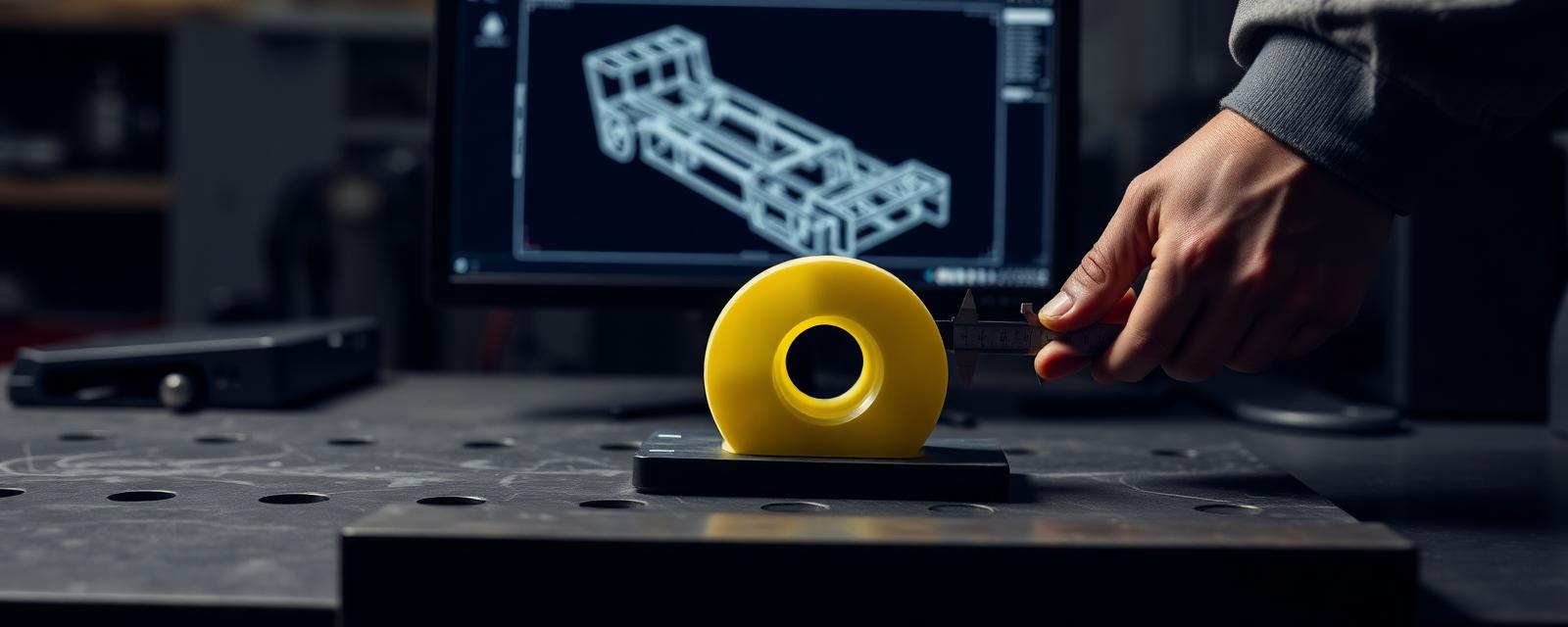
Every reproduction quote is really two numbers wearing one price tag: the engineering (understanding the part, rebuilding it in CAD, preparing it for manufacture) and the production (actually making the physical pieces). Engineering happens once per part, regardless of quantity. Production repeats per piece. Keeping the two mentally separate explains almost everything about reproduction pricing - including why the second batch of a part costs far less than the first.
What drives the engineering cost
Complexity, above all: a flat bracket with four holes is an afternoon; a connector housing with internal keying, latches and fine tolerances is serious work. Condition matters too - reconstructing geometry from fragments takes longer than measuring an intact sample - as does the improvement pass when weak points are redesigned. What does not drive it: the car's prestige. A Porsche clip and a Fiat clip of equal complexity cost the same to engineer.
What drives the production cost
Process, size and finish. Each manufacturing route has its own economics: printed parts scale mainly with material volume, machining with geometric complexity, vacuum casting with mould count. Bigger parts cost more; fine finishing (paint, texture matching, inserts) adds steps. Material choice moves the number too - glass-filled and high-temperature grades cost more than standard ones, and metal is its own category.
Why quantity changes everything
Because engineering is fixed, per-unit cost falls steeply with quantity: one part carries the whole engineering bill alone, ten parts share it, fifty barely notice it. This is why club and workshop batches are the sweet spot of reproduction manufacturing, and why we quote one-off and batch prices side by side - the comparison often changes the decision. Reorders are the extreme case: with the design already on file, a repeat batch is production cost only.
How to get a realistic number
Distrust any price given before the part has been seen. A meaningful quote needs photos, rough dimensions, the part's location and duty, and the quantity - exactly the package described in our photography guide. With that, a quote follows in days, itemised so you can see the engineering and production components and decide with clear eyes whether a one-off, a batch, or a shared club order makes sense for your part.
FAQ
Why do quotes differ so much between parts that look similar?
Because complexity hides in features photos undersell - internal keying, tolerances, reconstruction work. The quote reflects the engineering reality, not the silhouette.
Is a reproduction cheaper than a used original?
Sometimes yes, sometimes no - but the comparison is unfair to itself: the used part is as old as the one that failed. Reproduction buys new material and corrected weak points.
Do reorders really cost less?
Yes. The design is on file (with your consent), so a repeat batch skips engineering entirely and is quoted as production only.
Have a part you can't source?
Request a quoteRelated
Your project stays yours.
Every part we reverse-engineer and produce is confidential and exclusive to the client. We do not resell, share or reproduce a client's parts for anyone else unless the client explicitly authorises it. NDAs available on request.
Part numbers, vehicle names and model designations are manufacturer references used only to identify components. Replique Labs is an independent manufacturer and is not affiliated with, sponsored by or endorsed by any vehicle manufacturer.